
Event vendors
Know a stall pays before you pay for it.
Food fairs, weddings, campus days, pop-ups. A good event can bring a month of sales and a hundred new customers. A bad one eats your stock money. Check first, then see what it really made.
One event, start to finish
Mama Tee almost said yes on the spot.
Mama Tee Kitchen and the concert are made up, from the example SAKI SE liaisons use. The numbers are what the Event Vendor Planner works out from her answers.
1The offer
₦100,000 for a stall. 4,000 people expected.
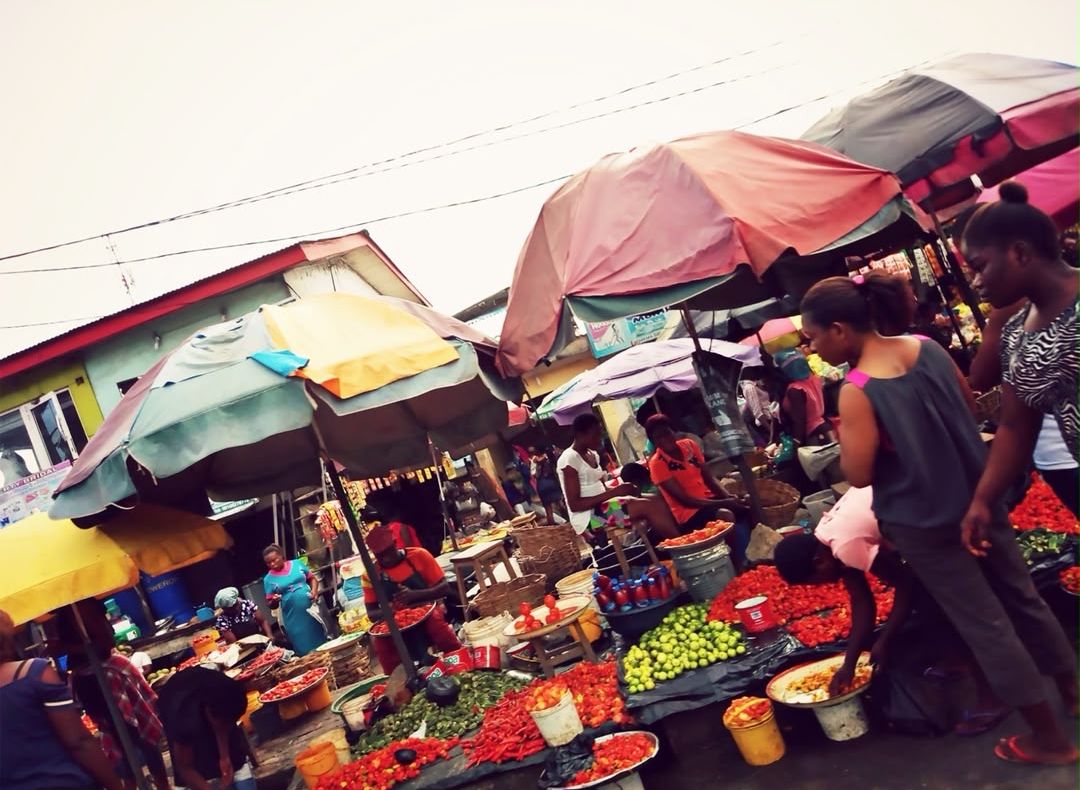
Mama Tee runs a small restaurant in Port Harcourt. An organiser offers her a stall at a campus end-of-year concert in Choba: six hours, eight food sellers, a crowd of about 4,000. A good night could be a month's profit. She wants to say yes and start buying rice.

2What the Event Plan showed
A good night makes ₦52,144. A quiet one loses ₦573,166.
She needs 208 buyers to cover the day: 5.2% of the crowd, when she expects 5.5%. Very little room. Before the first plate is sold she must spend ₦908,150 on the fee, food, staff and transport. If only 2,500 people come, 303 plates go home unsold, and the loss is five times the ₦100,000 she can afford.

3What she changed
Half the fee. Double the profit.
With her liaison she goes back to the organiser and gets the stall for ₦50,000. Her expected profit doubles to ₦104,644. She puts Fried rice and turkey first on the menu board, because it leaves her ₦2,025 a plate. A quiet night would still hurt, so she asks how many tickets have sold before she buys the meat.

4After the night
What it really made, in her books.
She logs what sold, what was left and the money counted in the app. Her Records Assistant checks the figures before they go into her book. After three or four events, her own share of the crowd and profit per hour replace the guesses in the next plan.
208 buyers
to cover the day, 5.2% of the crowd
₦908,150
spent before the first sale
−₦573,166
if the night is quiet
₦104,644
expected, once the fee was halved
Now yours: the Event Vendor Planner
Type over Mama Tee’s numbers with your own.
The crowd, your menu and what the day costs. You get GO or NO-GO, what a quiet, expected and busy night could make, the cash you need before the first sale, and how much to cook. The answer at the top changes as you type.
Worked out on your phone. Nothing is sent unless you tap the WhatsApp button.
What SAKI SE members get
Plan it, prepare for it, learn from it.
The Event Plan, in the app
Plan each event in the Growth Check app with the same questions: the crowd, your menu, the day's costs. You get GO or NO-GO and the Event Snapshot to keep.
A liaison before the day
Three days before an event, your SAKI SE liaison helps you prepare: price list, enough stock, a way to take numbers.
After the Event, in your books
Log what sold, the money counted and the crowd. You see profit against plan and the share of the crowd you served; your Records Assistant checks the figures, then puts them in your book.
Your Event Log
Every event in one list. After three or four, your own share of the crowd and profit per hour, by type of event, replace guesses in the next plan.
Made for
- Caterers and small chops
- Bakers and cake makers
- Drinks, zobo and smoothies
- Fashion pop-ups and aso-ebi
- Crafts, beads and art
- Skincare and beauty
Start where you are